Reassessing your estate agent website?
Most websites look the part. The real difference shows up once you’re relying on it every day.
No pressure, no hard sell
If you’re with Property Jungle, chances are the website itself isn’t the issue.
Their designs work, and they’ve built a lot of sites over the years.
Where things usually get questioned is later - when you’re busy, making changes, and trying to move things forward quickly.
In practice, that’s where the gaps tend to show up.
WordPress is brilliant. Managed WordPress… depends how it’s set up.
Property Jungle builds on WordPress - which is powerful and well-supported.
The difference is how much control you actually have day to day.
In their model, the website sits inside a managed framework. That works well for some agencies, but it often means:
- Simple changes go through support rather than being done instantly
- Not everything you’d expect is included upfront
- Costs can change as you add features or grow
We’ve seen this play out plenty of times - it works fine early on, but becomes more noticeable as the business grows.
It’s not right or wrong. It just depends how hands-on you want to be.
Why agents start looking elsewhere
When agents come to us while reassessing their setup, a few themes tend to come up regularly:
- WordPress is powerful, but in a managed environment the level of day-to-day control can vary
- Wanting more clarity on what's included versus what falls outside the package
- Predictable costs as the business grows or adds branches
- Faster turnaround on routine updates
These aren't unique to any one platform - they're the things that tend to matter more once a website has been live for a while.
If any of those feel familiar, it's probably worth a second look.
What’s different with Estate Apps
The biggest difference isn’t design.
It’s how things work once you’re using the site week in, week out
Support that doesn’t feel like a meter running
Support hours are included in each subscription tier.
So you don’t hesitate before asking for help, and you’re not second-guessing whether something small is going to cost extra.
You just ask - and it generally gets handled pretty quickly.
A CMS that actually feels usable
You can make changes yourself, quickly:
- Update blog / guide / team profile content (and much more) whenever you need to
- Update CMP or other certification anytime
- Keep important page content fresh
- Make tweaks without waiting around
And if you don’t want to do it yourself, we’re there.
Regular check-ins that actually matter
Every few months, we reach out to catch up properly.
Not to sell you anything - just to look at:
- What’s working
- What isn’t
- Where you can get more from the site
This is where most of the long-term gains come from.
A platform that keeps improving over time
You’re not expected to “do SEO”.
The platform evolves, and we guide you on what’s worth doing next.
That might be:
- Content tweaks
- Structure improvements
- New features that actually help
It’s not a one-off build. It’s something that keeps moving.
Quick comparison
| Aspect | Property Jungle | Estate Apps |
|---|---|---|
| Platform | WordPress, managed within a structured framework | Built specifically for estate agents |
| Pricing | Base package, with additional features and costs as your setup grows | Clear monthly cost with ongoing support and updates included |
| Day-to-day changes | Updates typically raised as requests | Key updates handled instantly, with support there when needed |
| Support style | Structured support model | Direct, responsive support with an ongoing relationship |
| How it evolves | Updates and changes introduced over time | Continuous improvement with regular input and platform updates |
Property Jungle
Works well if you:
- Prefer a managed WordPress setup
- Are comfortable with features being added as your needs grow
- Don’t mind costs changing as you add branches or functionality
- Are happy raising requests when updates are needed
Plenty of agencies are happy with that model - especially early on.
Estate Apps
Usually a better fit if you:
- Want clear, predictable costs from day one
- Expect ongoing updates and improvements to be included
- Value direct, responsive support without jumping through hoops
- Like the idea of a proper working relationship, not just a supplier
- Want regular check-ins to keep things moving forward
That’s typically where we come in.
Switching is usually simpler than expected
Most agents assume it’s going to be painful. It rarely is.
We handle:
No downtime. No chaos. Just a clean switch.
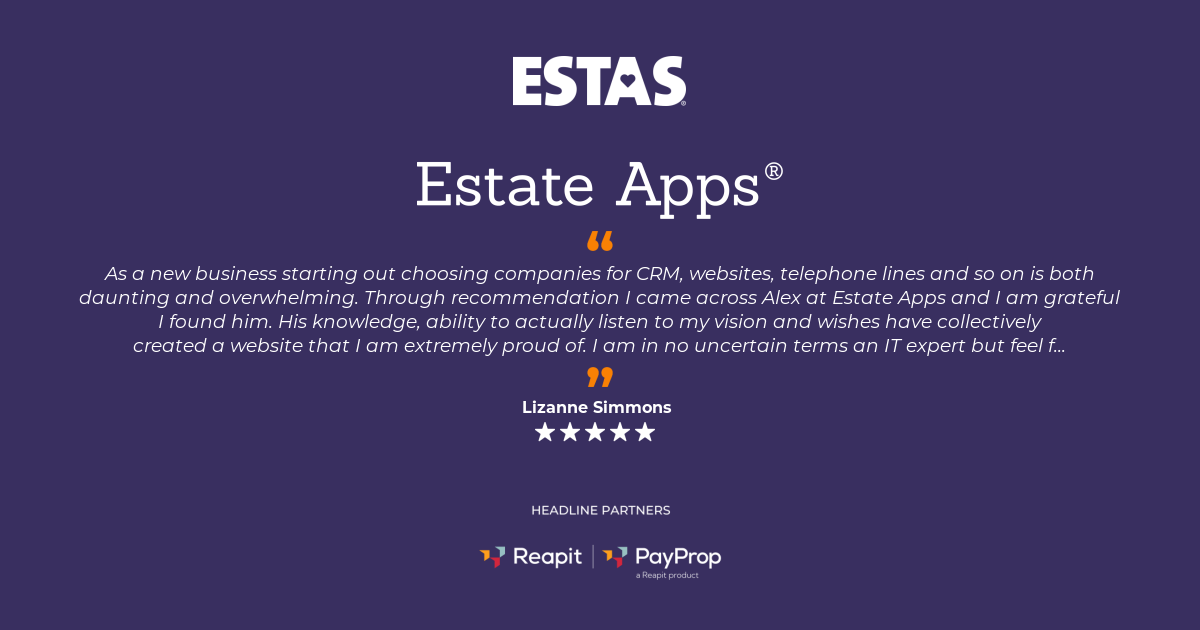
Don't just take our word for it
This is what agents say after working with us:



Frequently asked questions
Is WordPress actually a problem?
+Not at all. WordPress itself is excellent.
Where things tend to vary is how it's implemented. In managed setups, you often don't have full control over how it's used day to day.
That's usually where the difference shows up.
Are changes and tweaks really covered?
+Yes - for the things that actually come up regularly.
That includes content updates, tweaks, and day-to-day changes.
You're not second-guessing whether something small is going to turn into an extra cost - it's just handled.
Why do costs sometimes increase on platforms like this?
+It usually comes down to how the platform is structured.
Some setups start with a base package, then build up through:
- Add-ons
- Extra features
- Additional branches
That works for some agencies - but it can feel less predictable over time.
Will I actually be able to move faster day to day?
+Yes - and this is one of the biggest differences agents notice.
You can handle key updates yourself, and anything outside that gets sorted quickly without going through layers.
It removes a lot of the friction that tends to build up over time.
Do you actually help with SEO and visibility?
+Yes - but not in a "one-off project" way.
The platform evolves, and we stay involved.
That means:
- Regular check-ins
- Practical recommendations
- Ongoing improvements based on what's working
It's about staying visible over time, not ticking a box once.
What happens if I grow or open another branch?
+Your setup scales with you - without needing to rebuild or rethink everything.
More importantly, you're not suddenly navigating a different pricing model or structure just because the business has grown.
How difficult is it to switch?
+Most agents assume it's going to be painful.
In reality, it's usually much simpler than expected.
We handle:
- Content migration
- SEO protection
- Tracking and analytics
So the transition is clean, with no downtime.
How do I know if it's worth switching?
+If everything feels easy, clear, and well supported - it probably isn't.
But if things feel slower than they should, or you're starting to question the value you're getting, it's usually worth a second look.
The bottom line
A nice-looking website is easy.
What matters is how easy it is to actually use, how much control you have, and how well it holds up as your business grows.
That’s usually where the difference becomes obvious.
If you’re starting to question whether your current setup is working as well as it should, it’s probably worth a quick second opinion.
Want a second opinion on your current setup?
No pitch. No pressure.
Just a straight conversation about what’s working - and what isn’t.