 8 minute read posted by
 Google reviews have always been one of the most powerful trust signals online. They influence where customers spend their money, which businesses Google promotes - and now, quietly, who can actually be seen leaving them.
Because Google has just made a pretty significant change to how reviews work. And if you’re running a business with a Google Business Profile, this one’s worth understanding properly.
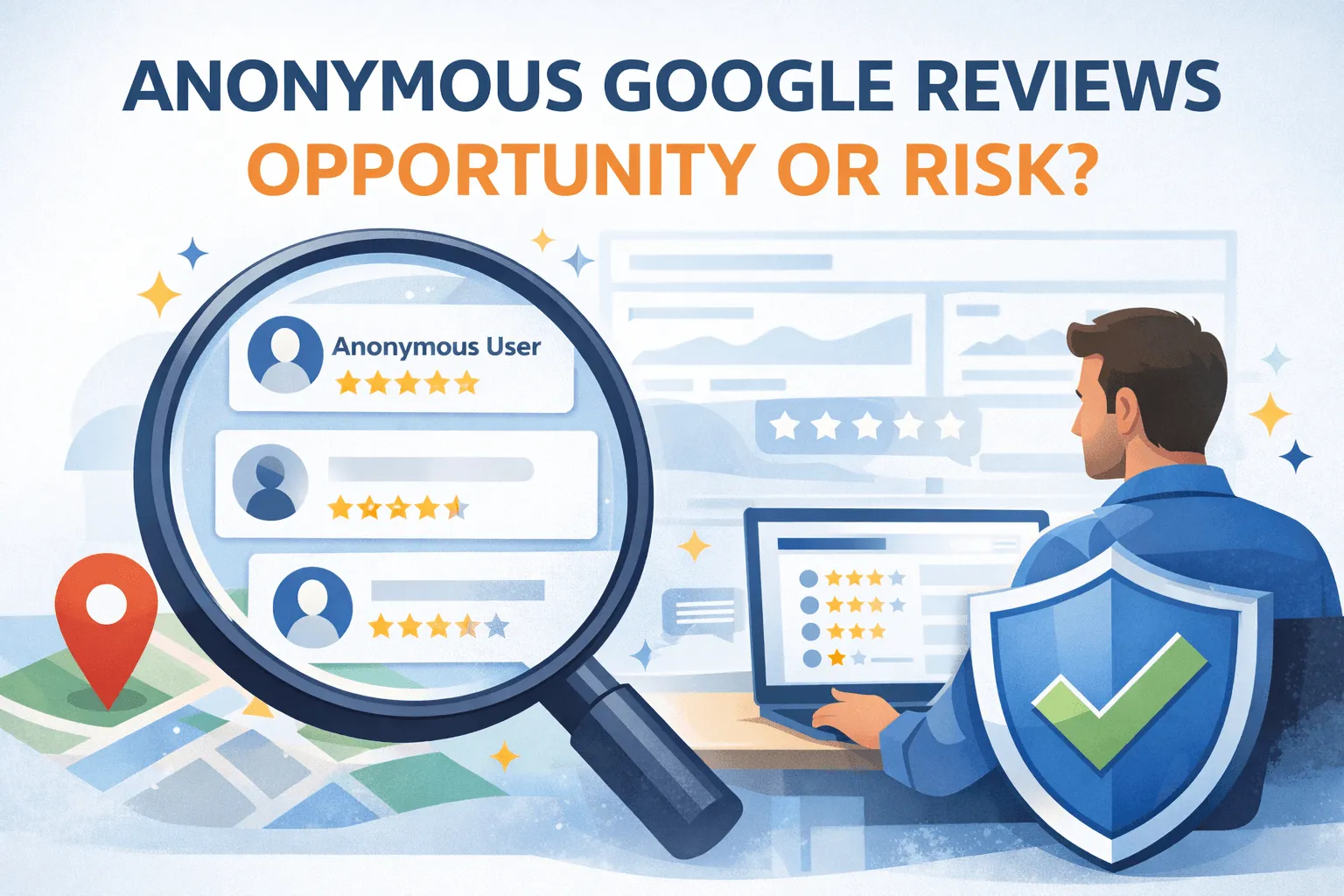
The short version: reviewers can now post under custom display names and profile images, meaning their real name no longer has to appear publicly. At first glance that might sound like a headache. In reality? It’s more of a mixed bag - with some genuinely good news tucked inside.
Let’s break it down.
First: Anonymous Doesn’t Mean Untraceable
Before you start imagining a free-for-all of fake reviews from shadowy strangers, here’s the reassuring bit: Google reviews are not truly anonymous.
Every single review is still tied to a real Google account behind the scenes. Google’s spam detection, fraud filters and review moderation systems haven’t changed. The only thing that has changed is what the public sees.
Instead of displaying a reviewer’s real name, they might now appear as:
- "Local Guide"
- "A Google User"
- A nickname or custom display name of their choosing
Think of it like a customer filling in a feedback form with a pen name. Google still knows exactly who they are - but the public (and you) just see the alias.
Why This Change Could Actually Benefit Your Business
Here’s something that often gets lost in the doom-and-gloom headlines: this update removes a barrier that has been silently killing review volumes for years.
One of the biggest reasons customers don’t leave reviews? They don’t want their name attached to it publicly. For certain industries, this privacy concern is particularly acute:
- Healthcare and medical services
- Financial advice and wealth management
- Legal services
- Mental health and counselling
- Property transactions
For anyone who’s used a solicitor, seen a therapist or visited a fertility clinic - posting a review under their real name has always felt uncomfortably personal. Now they don’t have to.
The result for businesses? More reviews, more frequently, from customers who genuinely had an experience but previously stayed quiet. And in local SEO terms, that matters enormously - because review count and recency are two of the strongest ranking factors in Google’s 2026 Local Search algorithm.
More Honest Feedback = More Useful Insight
When people feel less exposed, they often write more honestly. That’s not just a hunch - it’s a well-documented phenomenon called the Online Disinhibition Effect.
In plain terms: people share more when they feel less watched. For businesses, that can be genuinely valuable. You might receive:
- Clearer, more specific praise that tells you what’s actually working
- More constructive criticism that highlights real areas for improvement
- Feedback that’s more emotionally candid and detailed
Yes, that occasionally means a blunter negative review. But businesses that treat reviews as operational intelligence rather than just a star rating almost always come out ahead. Think of it as free customer research - delivered directly to your Google Business Profile.
The Catch: Reputation Management Now Matters More
Alright, it’s not all sunshine and five-star ratings. This update does introduce some things businesses need to stay on top of.
It’s harder to identify the reviewer
When a review appears under “HappyCustomer87”, you might not immediately know who that is or what experience they’re referring to. That can make it slightly harder to resolve issues directly.
The best approach remains the same as always: respond professionally and invite the conversation offline. Something like:
This signals to everyone reading (not just the reviewer) that you take feedback seriously and handle it like adults. Which, honestly, is more impressive than knowing the reviewer’s surname.
Watch for suspicious review patterns
Although Google’s filters are robust, the occasional fake review can still slip through - and the perception of anonymity may embolden a small minority of bad actors. Signs worth watching for:
- Several reviews posted within minutes of each other
- Accounts with only one review to their name
- Suspiciously similar wording across multiple reviews
- Sudden unexplained spikes in negative ratings
If a review clearly violates Google’s review policy, report it directly from your Google Business Profile dashboard. Document everything - screenshots, dates, context - because appeal timelines can be slow.
A Simple Review Monitoring Routine (That Won’t Take Over Your Life)
Because reviewer names may now be less recognisable, regular monitoring is no longer optional - it’s essential. The good news is it doesn’t need to be complicated.
Consistent monitoring ensures small issues get caught early, before they turn into a one-star pattern that’s much harder to recover from.
Update How You Ask for Reviews - Right Now
This is probably the most immediately actionable thing in this entire post. Because if customers don’t know they can leave a review under a display name, you’re leaving potential reviews on the table every single day.
A small tweak to your review request message can make a noticeable difference to response rates. Here’s an example of how to phrase it:
You can use this wording in follow-up emails, on printed receipts, on QR codes at your premises, or in WhatsApp messages after completing a job. The format matters less than the reassurance.
The Bigger Picture: Reviews Still Drive Everything
Whether the reviewer goes by their real name or “Satisfied_In_Surrey”, the fundamentals of what makes reviews valuable haven’t changed one bit.
Reviews still directly influence:
- Local search rankings on Google
- Customer confidence before they make an enquiry
- Your overall brand reputation online
- Enquiry and conversion rates from your Google Business Profile
- How Google’s AI (Gemini-powered AI Overviews) recommends your business in conversational and voice search results
That last one is worth sitting with for a moment. In 2026, Google’s AI pulls data from your Google Business Profile to answer questions like “who’s the best accountant near me?” If your reviews are thin or outdated, the AI has less to work with - and less reason to recommend you.
Pseudonymous reviews don’t reduce their value in any of these areas. If anything, removing the name barrier makes it easier for genuine customers to share experiences that would have otherwise gone unwritten.
Businesses that benefit most from this update will be the ones that:
- Ask for reviews consistently - and tell customers they can use a display name
- Monitor their Google Business Profile regularly
- Respond to every review, positive or negative, professionally and promptly
Do those three things well, and this update stops being a risk and starts being a competitive advantage over every business that’s still not paying attention.
Questions about managing your Google Business Profile or local SEO?




Share this with
Email
Facebook
Messenger
X
Pinterest
LinkedIn
Copy this link